Origins of the Tower Type
The modern observation tower descends from exhibition structures, campaniles, industrial lookout points and scientific platforms, but the Eiffel Tower gave the type its enduring modern legitimacy. Height could be justified not only by utility but by public fascination and national display.
Later generations diversified the model. Some towers focused on communications, some on tourism and others on mixed-use entertainment. What links them is the promise that ascending above normal street level reveals a broader civic or territorial order.
Observation towers are rarely pure monuments. Even the most sculptural examples usually rely on a practical rationale such as communications, event programming or visitor revenue.
Major Structural Families
Globally, the type includes lattice towers, reinforced-concrete shafts, composite tower-and-mast systems and highly specialized seismic designs. Material choice depends on era, cost, climate and whether the tower must carry serious broadcasting equipment.
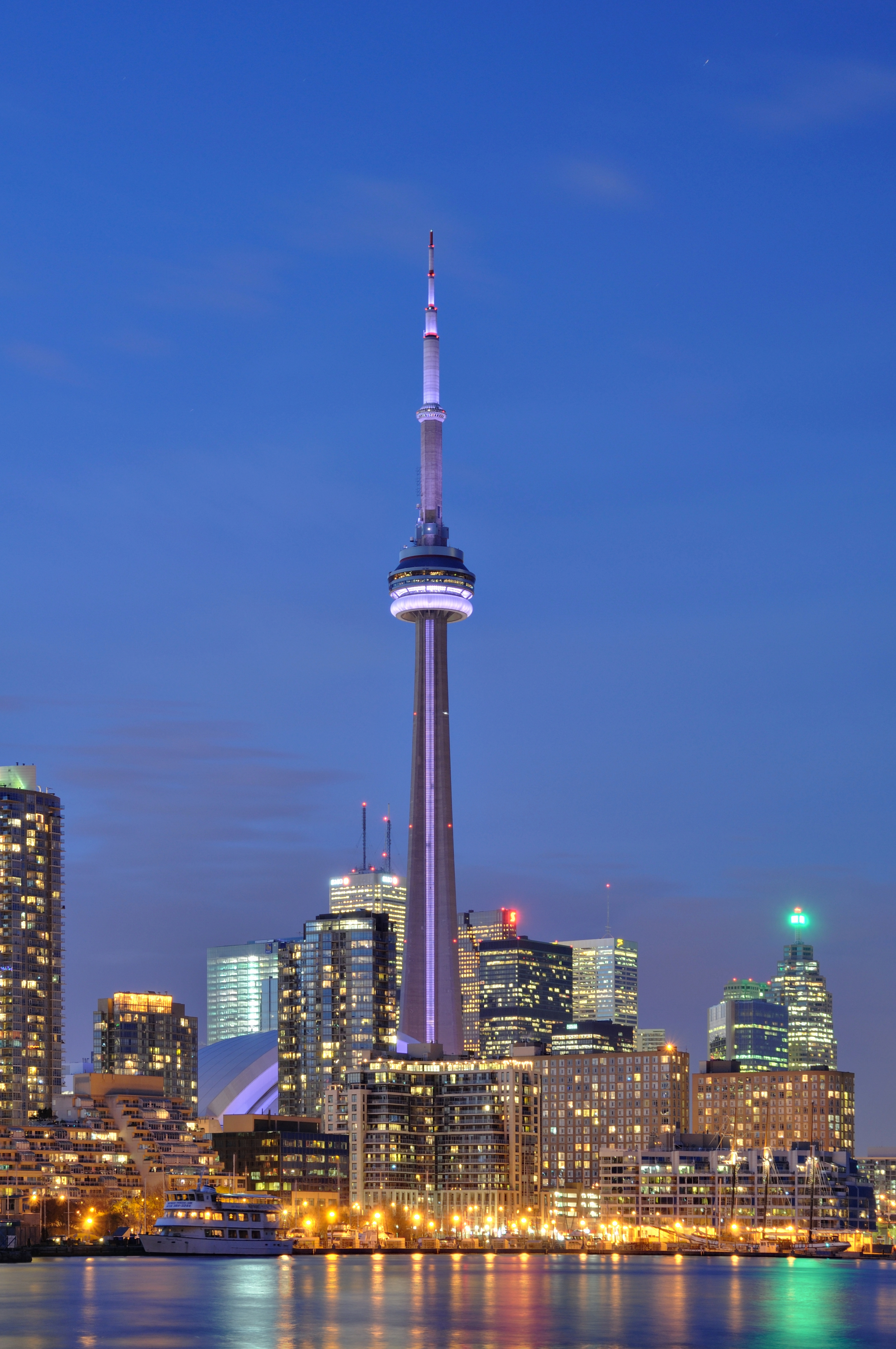
The CN Tower belongs to the reinforced-concrete megatower family, whereas the Eiffel Tower represents exposed iron lattice engineering and Tokyo Skytree demonstrates contemporary steel and seismic sophistication. Each solution expresses local technical priorities as much as aesthetic preference.
- Lattice towers: lighter visual profile, expressive structure, strong historic association
- Concrete shafts: stiffness, smooth silhouette, efficient enclosed cores
- Composite systems: combine heavy shaft stability with lighter antenna structures above
The Economics of Height
Towers survive when they do more than stand there. Ticketed observation decks, restaurants, events, retail and media licensing help justify maintenance, staffing and infrastructure upgrades over decades.
Cities also extract indirect value. Landmark towers support destination branding, raise nearby land prestige and create a shorthand image for conventions, film productions and global media. In many cases, their symbolic return exceeds direct operating revenue.
A successful tower monetizes both access and image. The second category is harder to quantify, but often more important over the long term.
View, Risk and Public Trust
Because towers invite the public into extreme height, they must make structural safety feel intuitive. Glazing, guard systems, elevator reliability and emergency protocols are not just technical provisions; they shape whether visitors perceive the experience as exhilarating or alarming.
Designers therefore choreograph reassurance. Smooth vertical transport, stable viewing platforms and clear sightlines communicate competence before a visitor ever reads a structural fact sheet.
- Psychological comfort is part of the design brief
- Redundant life-safety systems protect both operations and reputation
- Weather and visibility conditions influence the perceived quality of the attraction
Where the CN Tower Sits in the Global Story
The CN Tower remains one of the clearest examples of a tower that joined hard infrastructure with mass tourism at metropolitan scale. It is less ornamental than some rivals, but that seriousness is part of its distinction.
In comparative terms, the tower sits between the exhibition optimism of the Space Needle and the hyper-technical broadcasting culture of later Asian supertowers. Its longevity shows that a well-resolved tower can transcend the specific decade that produced it.