World's Fairs as Laboratories of Urban Imagination
International expositions let cities condense technological ambition into temporary precincts and unforgettable forms. Visitors came not only to see products but to experience carefully staged futures expressed through pavilions, mobility systems and skyline icons.
The 1962 Seattle fair arrived at a moment when aerospace culture, postwar growth and media spectacle aligned. Its architecture promoted a future-facing metropolitan identity that other North American cities watched closely, especially cities seeking landmarks capable of instant recognition.
World's fairs often leave behind less in policy than in imagery. A single tower, dome or pavilion can outlast entire planning documents in the public imagination.
The Space Needle as Prototype
The Space Needle was not the first observation tower, but it was one of the most successful modern examples in combining engineering novelty, restaurant tourism and instantly reproducible branding. Its saucer-like top made the tower memorable even in silhouette.
That mattered culturally. The tower proved that a city could package futurism into a single vertical attraction that worked on postcards, television broadcasts and family itineraries. Later towers varied in structure and purpose, but many inherited that lesson.
- Observation deck as public reward for height
- Restaurant program as an aspirational social experience
- Distinctive crown or pod as essential branding device
From Fairground Futurism to Infrastructure Modernism
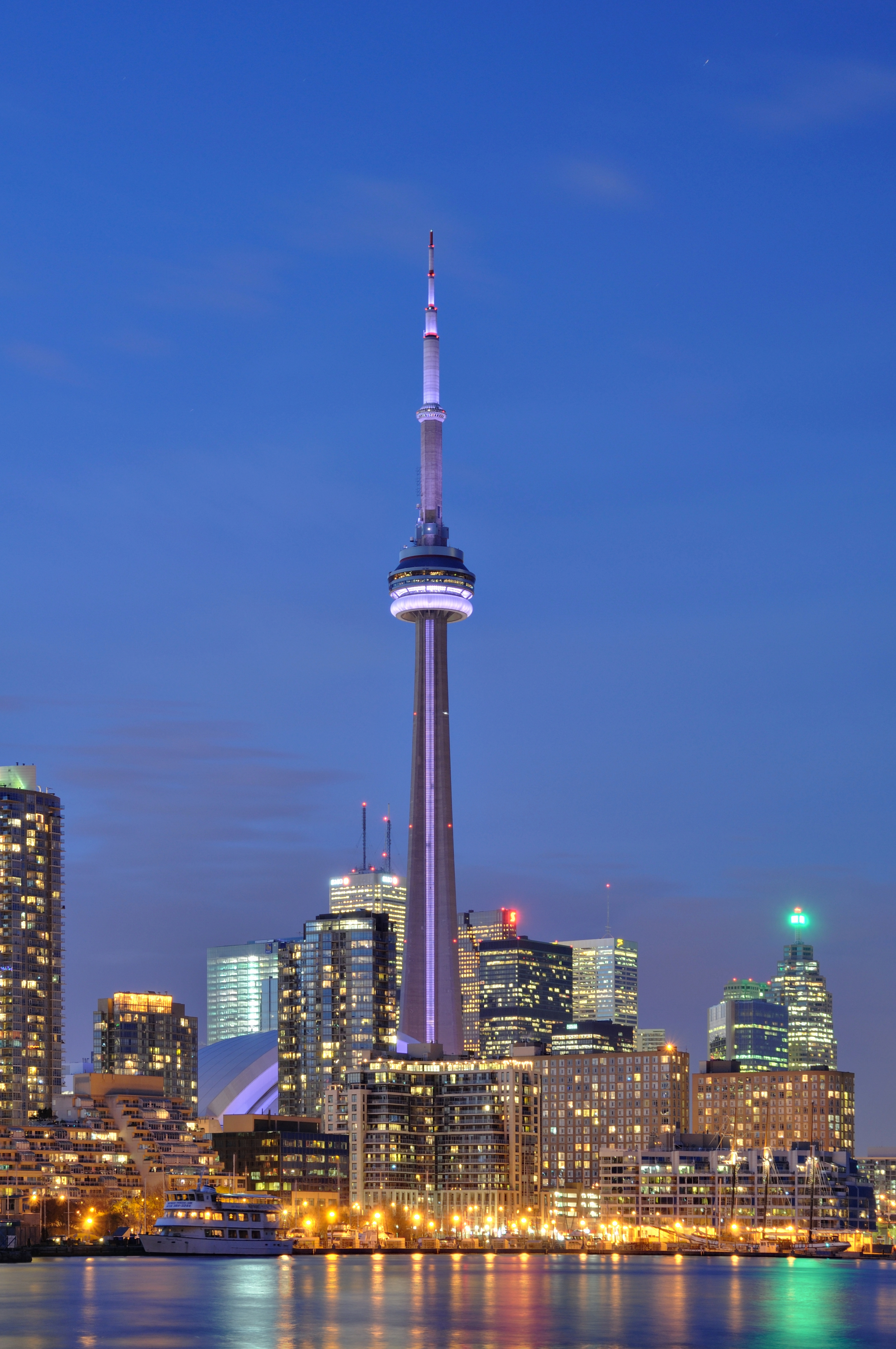
What Toronto later developed was more infrastructural and less theatrical. The CN Tower answered broadcast needs and used a heavier structural language than the Space Needle, yet both belong to the same family of postwar vertical symbols: towers that reassure the public that technology can also be elegant.
The difference is instructive. Seattle packaged optimism through fairground spectacle; Toronto packaged it through communications engineering and metropolitan scale. Together they show two routes by which modern towers entered civic identity.
The Space Needle is essentially an exposition icon that became urban infrastructure by association; the CN Tower is infrastructure that became an icon through public embrace.
Tower Tourism and the Selling of View
The fair era helped formalize the elevated panorama as a mass-market attraction. Ascending above the city became a way to consume urban modernity safely and efficiently: visitors could understand a metropolis in minutes through a framed view.
This commercial logic carried into later tower projects worldwide. Observation decks, revolving restaurants and branded summit experiences monetized altitude while teaching cities to market themselves as skylines rather than only as street-level destinations.
- Height converted into ticketed public experience
- Panoramic view became part of destination marketing
- Aerial orientation reinforced civic pride and tourist memory
Why the Legacy Still Matters
Today, the fair's futuristic language can appear nostalgic, but its deeper legacy remains active. Cities still seek singular visual identifiers, and observation towers still promise legibility in an age of dense skylines and endless digital images.
For Toronto, the lesson was not to imitate Seattle's form, but to understand the value of a landmark that fuses technology, image and public access. The CN Tower's enduring success suggests that the postwar fair-era instinct for symbolic height was not a passing novelty, but a durable urban strategy.